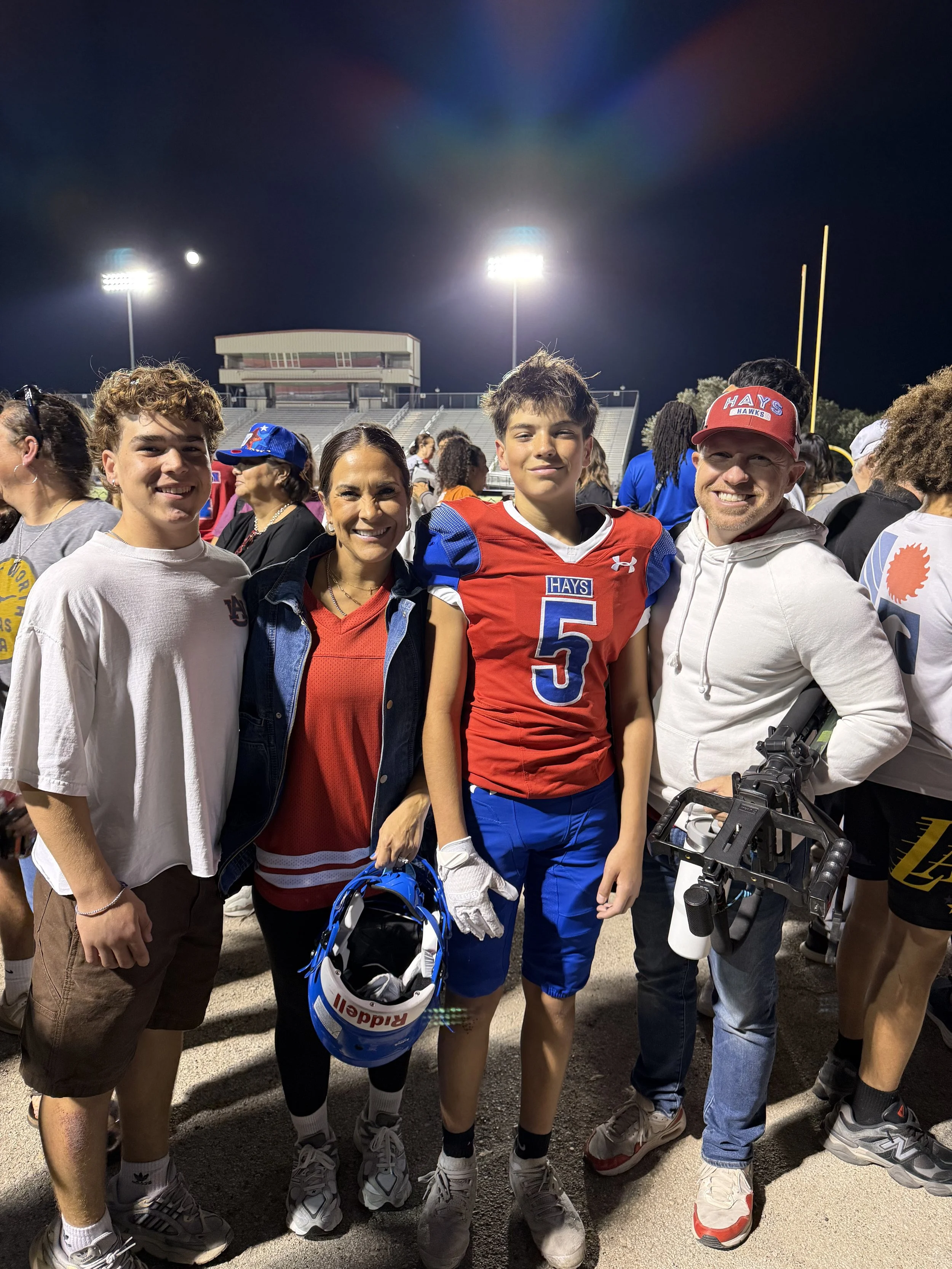
Let me give you something concrete today—something you can take into your next tournament, bleachers, live-stream, or sideline.
These five mistakes show up every single weekend in youth sports announcing (believe me - more people add commentary to their film than you know). They’re subtle, they’re common, and they can quietly ruin the game-day atmosphere for players, parents, and coaches both live and on the watch back.
If you can avoid even two of them, your broadcasts and videos will immediately feel more professional and more balanced equaling enjoyment and impact!
Let’s get into it…
1. Bias (Even the Unintentional Kind)
Bias isn’t always obvious. It’s not always someone announcing their own kid’s game like it’s Game 7 of the World Series.
Bias can sound like:
Highlighting one team’s hustle but ignoring the other
Talking up certain athletes while barely acknowledging others (I love how Cris Collinsworth always highlights lineman in the NFL instead of just the “skill” players)
Describing a mistake differently depending on who made it
Kids pick up on it. Parents definitely pick up on it.
A good announcer stays neutral.
A great announcer sees the whole field and honors every athlete’s effort.
2. Over-Talking (The Most Common Rookie Mistake)
A lot of new announcers feel pressure to fill every second with sound.
But the game already has a rhythm.
When you over-talk, you:
Steal emotional space from the moment
Exhaust your listeners
Talk over the excitement instead of amplifying it
Almost insult what the viewer already knows is obvious
Think of announcing like seasoning.
Just enough elevates everything.
Too much ruins the dish.
3. Ignoring Role Players
This is one of my biggest pet peeves.
Some athletes are obvious stars—big hitters, fast guards, high-volume scorers, shifty and untouchable. But role players often make the difference in the flow of a game.
Great announcers highlight:
Good blocks
Smart cuts
Heads-up baserunning
Quiet defensive plays
Selfless passes
When you mention role players, you change the culture.
You teach kids that value isn’t only measured by stats.
4. Negative Tone (Even If the Words Are Fine)
You can say the “right” words with the wrong tone and still do damage.
Negativity can sneak in through:
Sarcasm
Sighing
Overstating mistakes
Sounding annoyed or bored
You don’t have to sugarcoat everything—just frame moments as growth opportunities.
A calm, steady tone helps kids (and their parents) stay grounded, even when momentum swings.
5. Lack of Prep (The Root of Most Announcing Problems)
Preparation changes everything.
Listeners can tell when an announcer:
Knows names
Understands the sport
Recognizes tendencies
Has researched the teams
Is familiar with key story lines
Good prep removes guesswork and allows you to be intentional with your commentary instead of reactive and repetitive.
It shows respect—for the athletes, the parents, and the game.
If You Want to Level Up Your Game-Day Voice…
I put together a simple but powerful resource for parents, coaches, and volunteer announcers who want to raise the standard and improve the environment for every kid on the field.
👉 Get my Youth Sports Announcing Starter Checklist here.
This is the stuff I wish I had nine years ago when I began broadcasting youth sports videos. It will make your next video smoother, more professional, and more enjoyable for everyone listening.